When people say "get your CDL" they usually mean Class A — but Class B might actually be the smarter move depending on your goals. Here's the real breakdown.
Class A CDL
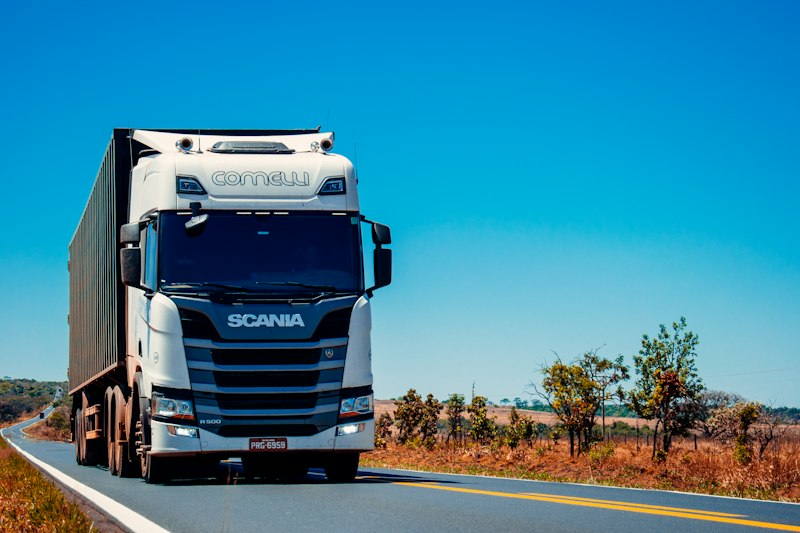
Covers combination vehicles where the towed unit exceeds 10,000 lbs — tractor-trailers, semis, tankers, flatbeds. A Class A holder can also drive Class B and Class C vehicles.
Class B CDL
Covers single vehicles over 26,001 lbs — city buses, school buses, dump trucks, box trucks, garbage trucks, straight trucks.
Salary Comparison
| License | Entry Level | Experienced | Top Earners |
|---|---|---|---|
| Class A | $45,000–$55,000 | $65,000–$85,000 | $100,000+ |
| Class B | $38,000–$48,000 | $50,000–$65,000 | $75,000+ |
Class A pays more on average — but Class B drivers often get home every night, which many consider worth the trade-off.
Training Cost & Time
- Class A: $3,500–$7,000 · 4–8 weeks
- Class B: $2,000–$5,000 · 3–5 weeks
Which Should You Choose?
Get Class A if: you want maximum earning potential, can handle time away from home, or plan to go owner-operator someday.
Get Class B if: you want to be home every night, prefer local/city routes, or want lower cost and faster entry into the workforce.
Can You Upgrade Later?
Yes — start with Class B and upgrade to Class A later with additional training and a skills test. Many drivers do exactly this.